

Important updates are released every day, but keeping up with them can be difficult. A missed security alert, policy change, or system announcement can lead to confusion, delays, or unnecessary mistakes. That is why having a reliable process matters. Stay Updated Always TXEPC is a practical approach that helps you organize, verify, and manage important updates from trusted sources instead of relying on random notifications or scattered information.
In this guide, you will learn what Stay Updated Always TXEPC means, why it matters, how the update system works, where to find official updates, and the best ways to track important changes without feeling overwhelmed. Whether you are an individual user, a business owner, or part of a larger organization, this guide will help you build a simple, consistent routine for staying informed and responding to updates with confidence.
What Is Stay Updated Always TXEPC?
This term describes a complete framework for monitoring and acting on new information. It is not a single app or a one-time task. Instead, it is a set of habits and tools. The purpose is to ensure you never overlook a significant change.
When you adopt this method, you move from a reactive mode to a proactive one. You stop searching for news randomly. You create a reliable pipeline that brings verified updates straight to you. This reduces anxiety and saves valuable time. Whether you are managing a team or just handling personal tasks, this system gives you control.
What Does TXEPC Mean?
TXEPC represents a structured workflow for information management. It covers the entire journey of an update from the moment it is created to the moment it is archived. Think of it as a closed loop.
The loop includes publishing, distributing, receiving, verifying, acting upon, and storing information. Each step has a clear purpose. Publishers follow strict guidelines when releasing news. Systems distribute it through approved channels. Users receive it in an organized manner. This structure prevents confusion and ensures accountability at every stage.
Why Staying Updated with TXEPC Matters
You cannot rely on memory or luck to keep up with changes. Systems evolve. Regulations shift. Security threats emerge daily. Without a solid plan, you will eventually fall behind.
Being current improves your decision-making. You base your actions on facts, not rumors. It also protects you from penalties. Many industries have strict rules about staying informed. Following a proper update strategy shows that you take your responsibilities seriously.
Benefits for Individuals
- You reduce daily stress by knowing you have not missed anything.
- You avoid scams and phishing attempts that exploit outdated knowledge.
- You complete tasks faster because you follow the latest procedures.
- You become a reliable source of information for friends and family.
- You protect your personal accounts and data from security gaps.
Benefits for Businesses and Organizations
- Teams make fewer mistakes because everyone accesses the same current data.
- Compliance with laws becomes easier and less risky.
- Operations continue smoothly without unexpected interruptions.
- Customer confidence grows when the business responds quickly to changes.
- Internal communication improves as updates are shared through a clear process.
Who Should Follow TXEPC Updates?
This system benefits anyone who uses digital services. However, some groups need it more urgently. Your role determines the depth of your tracking. A large enterprise requires a dedicated workflow. A student only needs a simple daily check.
The important thing is to match your effort to your exposure. If your work depends on accurate information, you must invest more time.
Individual Users
- People who manage online banking and investments.
- Users who frequently download apps or software.
- Parents who monitor privacy settings for their children.
- Anyone who wants to protect their personal identity.
- Students who rely on official announcements for exams or admissions.
Businesses
- E-commerce store owners are tracking payment gateways.
- Freelancers who depend on platform algorithm changes.
- Retailers handling customer data under privacy laws.
- Service providers who must update their terms regularly.
- Marketing teams are adapting to ad platform policies.
Teams and Organizations
- IT departments managing company-wide software rollouts.
- HR teams tracking compliance training deadlines.
- Operations staff coordinating supply chain updates.
- Remote teams use multiple communication tools.
- Legal departments are monitoring regulatory changes.
How the TXEPC Update System Works
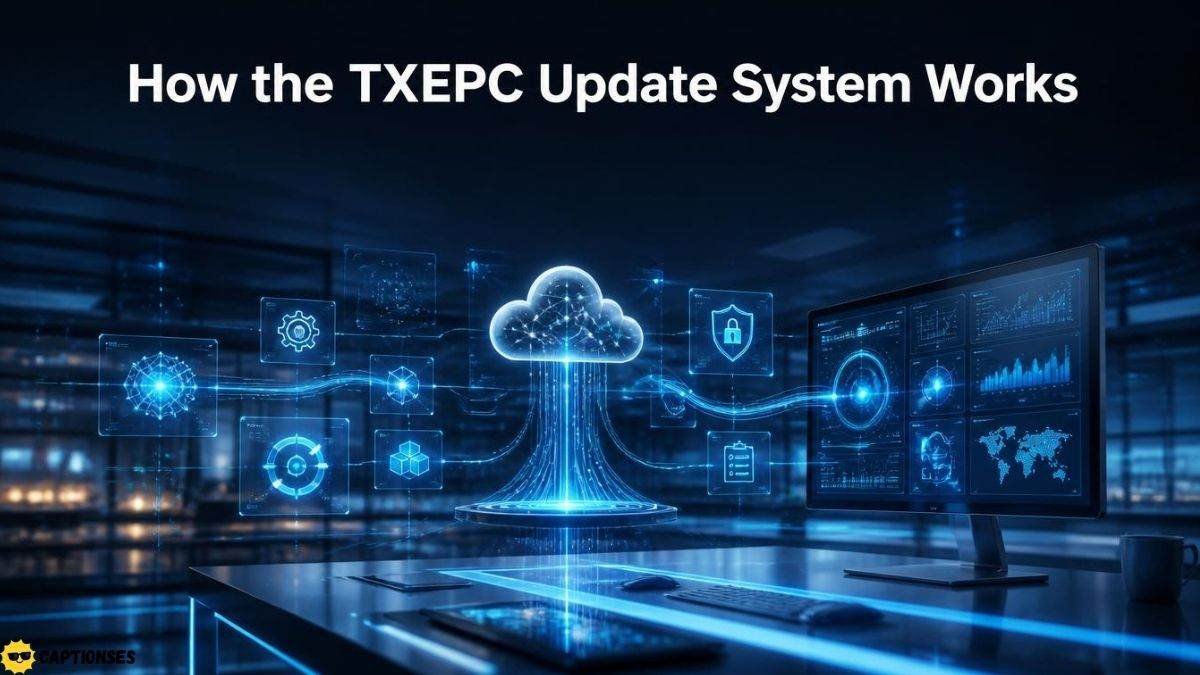
The system follows a straightforward path. It does not rely on guesswork. Every step is designed to maintain accuracy and speed. Understanding this flow helps you trust the information you receive.
First, an official source creates the update. Next, the system distributes it through verified channels. Finally, you receive it and decide how to act. This sequence ensures that nothing is lost or misinterpreted along the way.
How Information Is Published
Updates start at the authoritative source. This could be a government agency, a software company, or an internal department. The author drafts clear text explaining the change. They include a date, a version number, and the reason for the modification.
Once finalized, the update is uploaded to the official website or portal. It is also sent to the organization’s approved distribution list. This creates a single point of truth. All future references will point back to this original publication.
How Updates Reach Users
- Emails sent to registered addresses.
- Dashboard notifications upon login.
- Push alerts from official mobile applications.
- Internal company platforms like intranet pages.
- SMS texts for critical, time-sensitive alerts.
Update Frequency
| Type of Update | How Often It Occurs |
|---|---|
| Routine system patches | Weekly or bi-weekly |
| Security vulnerability fixes | Immediately, as needed |
| Policy document updates | Quarterly or annually |
| New feature releases | Monthly |
| Emergency operational alerts | Whenever an event occurs |
Types of TXEPC Updates You Should Know
Not every update carries the same weight. Some are simple reminders. Others demand your immediate focus. You must learn to distinguish between them to use your time wisely.
Treating every notification the same leads to burnout. Grouping updates into clear categories makes your review process much faster. You can scan the category and decide your next step instantly.
General Updates
- Changes to help articles or FAQ pages.
- New tutorial videos or guides.
- Minor corrections in existing documents.
- Holiday schedule announcements.
- Updates to contact details or office hours.
Important Announcements
- Launch of new products or features.
- Changes in pricing or subscription plans.
- Mergers, partnerships, or ownership changes.
- Upcoming scheduled downtime for maintenance.
- New office openings or relocations.
Policy and System Changes
- Revisions to terms of service or privacy policies.
- Modifications to user roles and permissions.
- New compliance requirements for data handling.
- Changes to approval workflows and processes.
- Updated employee handbooks or code of conduct.
Security Alerts
- Reports of potential data breaches.
- Introduction of new authentication methods.
- Warnings about active phishing campaigns.
- Urgent patches for known software vulnerabilities.
- Updates to password policies and security questions.
Where to Find Official TXEPC Updates
Finding accurate information can be challenging. The internet contains many rumors and half-truths. This is why you must know exactly where to look. Official channels are the only reliable way to get correct data.
Creating a short list of trusted places saves time. You do not have to search every time an announcement is made. You simply check your list and ignore the rest.
Official Sources
- The main website or portal of the issuing authority.
- Verified social media accounts of the organization.
- Internal company wikis or intranet pages.
- Legal and compliance repositories.
- Official email newsletters you have subscribed to.
Trusted Communication Channels
| Channel | Trust Level | Best For |
|---|---|---|
| Official Website | Highest | Long-form details and archives |
| Direct Verified Email | High | Detailed announcements |
| Official Mobile App | High | Quick alerts on the move |
| Company Internal Chat | Medium-High | Team coordination |
| Third-party News Sites | Medium | General awareness only |
How to Stay Updated Always with TXEPC
Building this habit is simpler than you might think. You do not need to watch screens all day. You just need to set up a few triggers. These triggers bring updates to you automatically.
Consistency is the real secret. A five-minute daily check beats a two-hour monthly review. Small, regular efforts keep you ahead of the curve.
Enable Notifications
- Turn on push notifications for official apps.
- Create email filters to move alerts to a dedicated folder.
- Activate browser notifications for critical dashboards.
- Allow SMS alerts for emergencies only.
Follow Official Channels
- Subscribe to official YouTube pages or newsrooms.
- Bookmark the official blog or announcement section.
- Join verified user groups managed by the organization.
- Follow key leaders who post verified news.
Create a Regular Update Routine
- Begin your day by opening your update dashboard.
- Scan for any critical alerts marked as urgent.
- Read the summary of routine changes.
- Snooze or dismiss notifications that are not relevant.
- Note down any action items you must complete.
- End your week by reviewing the archive of past updates.
Best Practices for Tracking TXEPC Updates
Good habits make the process smooth. Bad habits create stress and missed deadlines. The following practices are simple to adopt. They will improve your accuracy and speed.
Think of these as guardrails. They keep you on track even during busy periods. Following them will also help you train others if you manage a team.
Verify Every Update
- Cross-check with the original source before sharing.
- Look for the official date and time stamp.
- Do not forward an update until you confirm it.
- If an alert sounds alarming, pause and verify first.
Focus on Important Information
- Ask yourself if this affects your current work.
- Separate urgent tasks from long-term changes.
- Delegate updates that do not apply to you.
- Create a daily “must-do” list based on the latest news.
Organize Updates Efficiently
| Category | Action Required | Storage Location |
|---|---|---|
| Critical | Read and act immediately | Save to “Action” folder |
| High Priority | Review within a few hours | Flag in inbox |
| Medium Priority | Review by the end of the day | Label for reading |
| Low Priority | Review at the end of the week | Archive after reading |
Common Mistakes People Make While Following TXEPC
Everyone makes errors sometimes. But repeating the same mistakes hurts your productivity. Recognizing these pitfalls is the first step toward fixing them.
The good news is that these mistakes are easy to correct. Once you know them, you can avoid them without much effort.
Relying on Unofficial Sources
- Trusting a colleague’s summary instead of the original text.
- Reading only headlines without opening the full article.
- Following unverified social media accounts.
- Using random forum posts as primary news.
Ignoring Critical Updates
- Marking important emails as “read” without opening them.
- Assuming the update does not apply to you.
- Skipping the update because you are too busy.
- Forgetting to check after a long weekend.
Missing Regular Updates
- Not having a dedicated time to check for news.
- Relying entirely on memory.
- Turning off all notifications out of annoyance.
- Overlooking routine maintenance schedules.
How to Identify Important TXEPC Updates
You do not have time to read every word. You need a fast method to separate the critical from the trivial. Identifying importance is a skill. It becomes easier with practice.
Look for specific triggers. Certain words or contexts scream urgency. Others simply mean “for your information.” Learning this distinction saves hours of reading.
Urgent vs Regular Updates
| Feature | Urgent Update | Regular Update |
|---|---|---|
| Timeliness | Requires action within hours | Requires action within days or weeks |
| Impact | Affects operations or security | Improves convenience or features |
| Sender | Directly from top authority | From a general communication team |
| Language | Uses strong words like “immediate” | Uses standard, informative language |
Change Log Indicators
- Look for the word “Mandatory” in the title.
- Check if the update includes a new deadline.
- See if there is a new form or process to follow.
- Notice if it mentions “replaces previous guidance.”
Priority Levels
| Level | Label | When to Act |
|---|---|---|
| 1 | Emergency | Within one hour |
| 2 | High | Same business day |
| 3 | Medium | Within 48 hours |
| 4 | Low | End of the week |
Managing TXEPC Updates Without Feeling Overwhelmed
Too much information leads to stress. When you try to catch everything, you catch nothing. The goal is to manage the flow, not to drown in it.
Break your day into small review sessions. Use tools to filter out noise. Trust that truly important updates will be easy to find.
Daily Monitoring
- Check your notifications once in the morning.
- Check again after lunch for midday changes.
- Limit each session to ten minutes.
- Close the tab once you are done.
Weekly Review
- Spend thirty minutes on Friday afternoon.
- Clear out all flagged emails.
- Document the actions you completed.
- Adjust notification settings if they are too noisy.
Archive Older Updates
- Move all old updates to a separate folder.
- Keep only current year documents in your primary view.
- Delete notifications that are no longer relevant.
- Store important historical changes in cloud storage.
- Update your internal guides based on recent changes.
What to Do After a Major TXEPC Update
Major updates are rare but significant. They change how you work. You cannot ignore them. You also cannot rush through them. You need to act deliberately.
Take a moment to understand the change fully. Then plan your response. Finally, inform others who might be affected. A smooth transition prevents chaos.
Review the Changes
- Read the full announcement from top to bottom.
- Note the effective date of the change.
- Identify which of your processes are affected.
- Compare the old rules with the new ones.
- Write down any questions you have.
Take Required Actions
- Update your login credentials if required.
- Download new forms or templates.
- Adjust your internal schedules accordingly.
- Complete any mandatory training related to the change.
- Inform your team members about the new process.
Monitor Future Announcements
- Keep an eye on the source for follow-ups.
- Check for clarifications issued after the main update.
- Note any delays in implementation.
- Be prepared for more minor tweaks.
TXEPC Update Security and Privacy Tips
Staying updated is important. Staying safe is more important. Cybercriminals often use fake updates to trick people. You must protect your accounts and data while tracking information.
A little caution goes a long way. Always pause and think before clicking anything. Following these tips keeps you secure without slowing you down.
Avoid Fake Notifications
- Never click on suspicious links in random emails.
- Check the sender’s email address carefully.
- Hover over links to see the actual URL.
- If an alert looks too urgent, verify it directly.
Protect Your Account
- Use strong and unique passwords.
- Enable two-factor authentication on all portals.
- Do not share your login details with anyone.
- Log out from shared or public devices.
Verify Official Announcements
- Go to the official website directly (do not use links from the email).
- Look for the same announcement on the official dashboard.
- Check the date to ensure it is current.
- If you are unsure, contact support using official phone numbers.
Signs You Are Missing Important TXEPC Updates

Sometimes you do not know what you are missing. However, there are clear clues. If you notice these signs, your system is broken. Do not ignore these warnings.
Fixing the problem now is easier than dealing with the fallout later. Think of these signs as a check engine light for your information flow.
Common Warning Signs
- You hear about changes from friends or colleagues first.
- You receive notices that your access has been blocked.
- You frequently ask others for clarity on simple rules.
- Your calendar has many missed deadline reminders.
- You find outdated versions of documents in your files.
Potential Risks
| Risk | Possible Impact |
|---|---|
| Missed deadline | Late fees, penalties, or lost opportunities |
| Security gap | Data breaches or hacked accounts |
| Compliance failure | Legal action or financial fines |
| Operational error | Wasted resources and rework |
| Reputation damage | Loss of trust from customers or leaders |
How to Catch Up Quickly
- Set aside a dedicated two-hour block.
- Start with the most recent official summary.
- Identify the top three changes that affect you.
- Ask your supervisor or lead for a brief update.
- Update your daily checklist to include the new rules.
Tools That Help You Stay Updated with TXEPC
You do not have to do this manually. Many tools make tracking effortless. The right tool depends on your preference and needs. You can even use a combination of them.
These tools are not complicated. Most are free and easy to set up. Spend a few minutes configuring them, and they will work quietly in the background.
Notification Tools
| Tool Type | How It Helps | Example Use Case |
|---|---|---|
| Aggregator Dashboard | Collects updates in one place | A central news feed |
| Browser Extensions | Alerts you when a page changes | Watching a specific URL |
| Dedicated Mobile Apps | Sends alerts directly to your phone | Instant security alerts |
Email Alerts
- Create a specific label or folder for updates.
- Set up rules to skip the inbox and go straight to that folder.
- Unsubscribe from all non-essential newsletters.
- Only keep subscriptions from official sources.
RSS Feeds and Update Trackers
- Subscribe to official blogs or news feeds.
- Use a reader to organize many feeds.
- Set the reader to show only unread items.
- Check the reader daily for new entries.
Conclusion
Staying informed does not have to be a stressful job. By following the Stay Updated Always TXEPC approach, you take full control of your information flow. You stop reacting to chaos and start acting with confidence and clarity.
The key elements are simple. Use trusted sources. Manage your time wisely. Use basic tools to automate the process. Everyone from a single user to a large organization can enjoy this method. Start small. Review your current system today. Fix one broken part at a time. Remember, perfect information is rare. But a reliable process is always within your reach. Build your routine, trust your verified sources, and you will never fall behind again. The effort you invest today will save you from many headaches tomorrow.
FAQs
What is the main goal of Stay Updated Always TXEPC?
The main goal is to create a structured and reliable system for tracking important changes. It helps you avoid missing critical notifications, security alerts, or policy updates. The system reduces stress by organizing information in a clear, actionable way.
Do I need special software to follow this system?
No, you do not need expensive software. You can start with free tools like email filters, calendar reminders, and browser bookmarks. As your needs grow, you can explore more advanced aggregators or notification apps.
How much time should I spend daily on TXEPC updates?
Most people only need ten to fifteen minutes per day. Spend a few minutes in the morning and a few minutes after lunch. Reserve thirty minutes at the end of the week for a deeper review. This balance keeps you current without burning out.
What should I do if I find conflicting information about an update?
Always trust the official source first. Cross-check the announcement on the organization’s main website. If the conflict remains, contact their support team using verified contact details. Do not act on unverified information.
Can this system work for personal use, or is it only for businesses?
This system works perfectly for individuals too. You can use it to track bank policy changes, app updates, school announcements, or government notifications. The principles are the same. Only the scale of tracking changes.